#14 Beyond the Brief: What the Right Questions Tell You About a Production’s Success
Hi, Danielle here! You’ve heard a lot from Geoff, so starting today, every second Tuesday of the month I’m going to be taking over BTB and sharing my side of the business. I lead client relations and business development here at Cardin Productions and I want to share my side of the business and also dive into my experiences when I sat on the other side of the table.
Before joining Cardin Productions, I spent over a decade on the brand side. I’ve worked with tactical, first responder, and workwear companies managing productions from the brand side and now I'm on the production side. This shift has given me a pretty clear view of what separates a production company that just follows a shot-list to one that actually understands your brand and can protect it.
Here’s what I've learned from both sides.
There was never one specific production that changed how I thought about this, but more the trend I was noticing across several productions. The difference almost always came down to the questions that were being asked as soon as we talked about the concept. Before the shot-list, before the locations, I knew if this production was going to be a success.
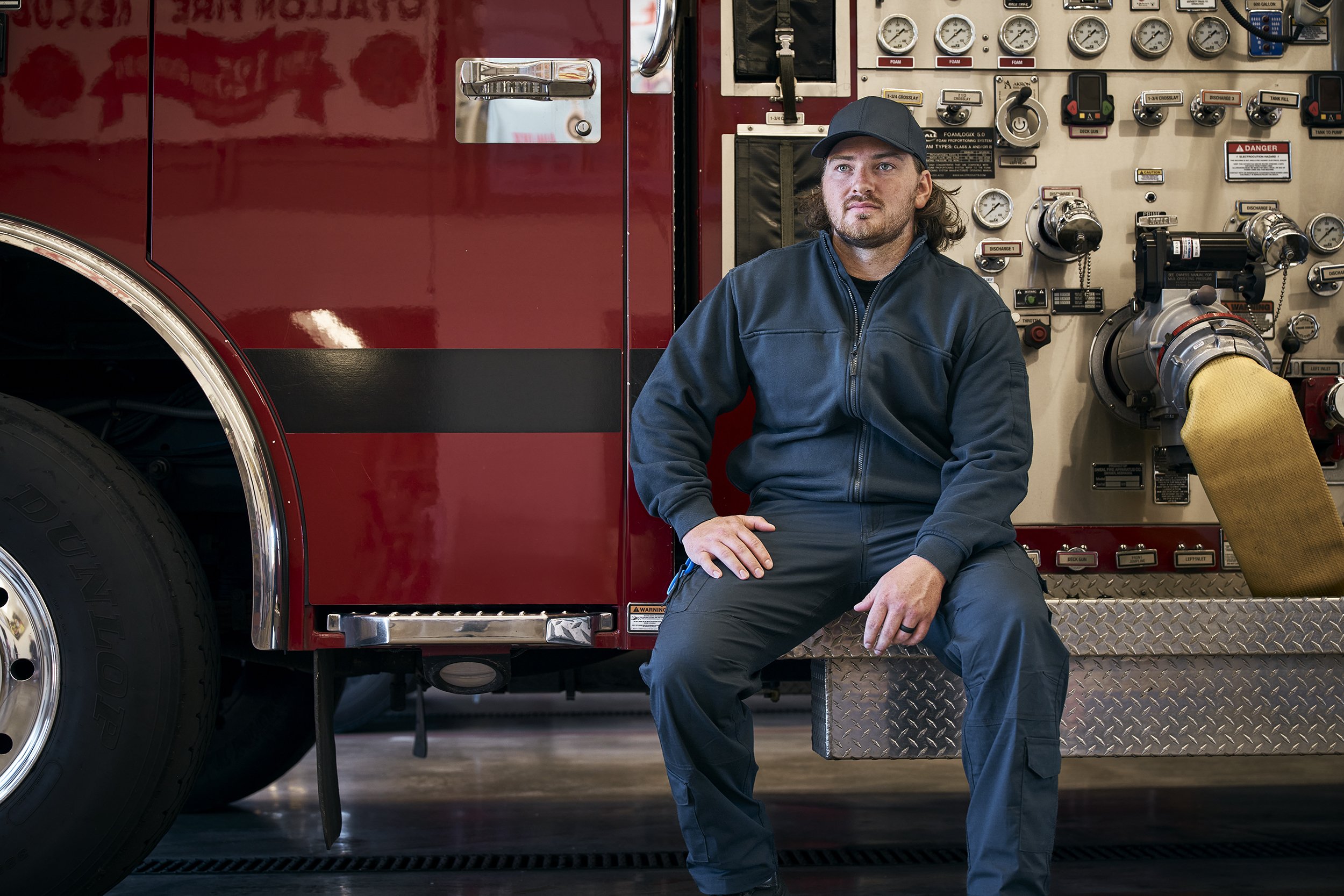
When a team showed up asking things like "what would not be realistic in this environment?" or "we're thinking about this location, but would this be realistic in how this product would be used?" I knew immediately they were thinking beyond the shot-list, and approaching the project through our customers' perspective. I didn’t expect them to always know the in’s and out’s of the industry, but asking the right questions was always a sign of how they were approaching the project. They weren't just there to check boxes off of a list but rather trying to understand whether the final product would feel credible to the people who actually wear the gear, use the equipment, or work in that industry every day.
Especially coming from tactical, first responder, and workwear brands, credibility isn't optional. This audience knows immediately when something is out of place, and they have no problem letting you know when it is. The wrong uniform, the wrong way someone is using a piece of gear or a location that looks right on a mood board but would never be reality in the real world. These things get noticed and when they do, the brand can lose its credibility.
So the times when a production company saw the creative process as a collaboration, challenged assumptions, and made sure to ask for the industry context behind the concept, it changed the whole relationship. They weren't just executing a brief anymore but rather helping us protect something we had spent years building.
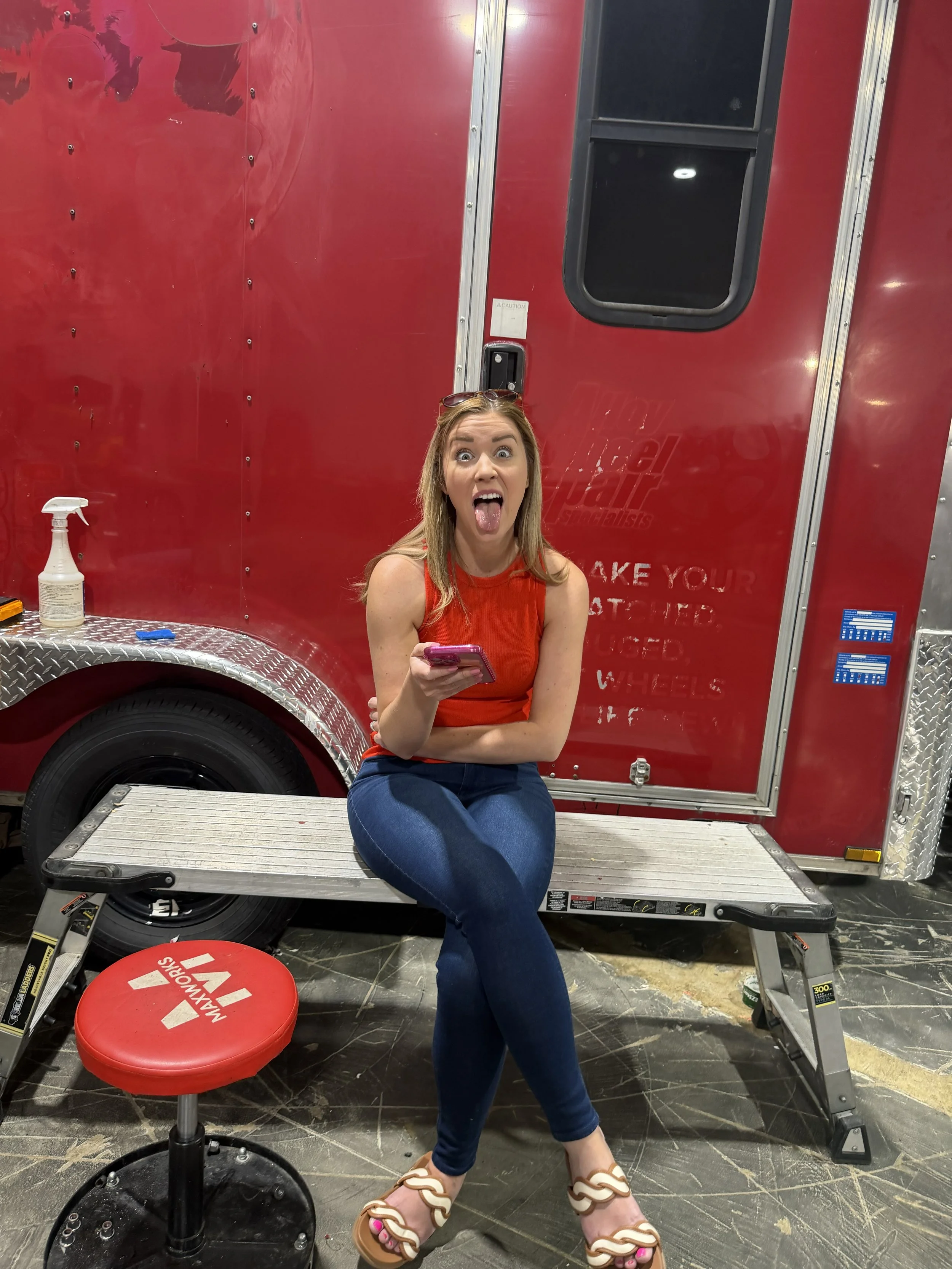
This is serious business y’all!
Now that I'm on the production side, I put a significant amount of work into understanding the brand, and the industry they are in before we ever arrive on set. What the product is, how and where it's actually used, who uses it, and what will make the content feel either completely credible or completely off.
That research shapes everything from casting, location, wardrobe, props, to what's in the background of a shot. In specialized industries like LE or tactical for example, you can't always cast talent who simply look the part. More times than not, you need real industry professionals who know how to wear, hold, and interact with the product because they've been doing it for years. That authenticity isn't something you can manufacture on set and it's not something you can fix in post.
These are the things I wish all of the production companies I worked with had been thinking about when I was sitting in the brand manager's seat. My job now is to anticipate them early and bring the right connections and resources to the table to remove that burden from the client before it ever becomes a problem.
So what I learned over the years is that the questions that are asked before the shoot starts tells you everything about the work you're going to get at the end of it.
-Danielle