#13 Beyond the Brief: Innovate or Die. AI Is Just the Latest Test.
Let’s take a trip back, I’m fresh out of collage and one of the biggest topics in the photography world was film vs. digital. I know I’m probably dating myself but just hear me out.
Photographers who had built careers behind film cameras were watching the digital take over and a lot of them were not happy about it. Film had been the standard and there was a lot of legitimate criticism on the quality of digital technology. Even the high end digital cameras were not the same quality as an 8x10, but the foundation was already laid. The craft was changing, the workflow was changing, the economics were changing. Some willingly adapted and embraced the change and then some didn't. The ones who fought it the hardest had a rough time, and many of them unfortunately found their careers come to an end.
Fast forward 20ish years and the AI conversation happening right now in every creative industry has a very similar feel as the film vs digital debate, but this is much bigger. It does have the same fear, same resistance and some very loud opinions from people who would rather argue about it than figure out how to use it. The ones spending the most energy fighting it are probably going to have the hardest time on the other side, if they can manage to get there. Others are embracing it and are doing very well because of it. I feel like most of us are somewhere in the middle, as am I.
I look at AI as a tool, and a remarkably powerful one. The results depend entirely on who's using it and how.
Ok let’s talk about AI, specifically the slop, because it’s out there and so real.
We all know content that gets the immediate eye roll when it shows up in your feed. Brands are cranking out content at a volume and pace that is unprecedented and would have been impossible just a few years ago. We, and brands in particular, are all forced to chase the algorithm just to try and be seen, flooding channels with content that technically exists but doesn’t always say anything. I've even seen my own photographs augmented and it's not always pretty.
What concerns me most isn't the quality of any single piece of content. It's what that volume is doing to our collective appetite for quality. We're being conditioned by sheer quantity to settle for less quality. This is all because the beast must be fed, and the beast does not go hungry. We scroll past things that would have stopped us cold five years ago. The algorithm rewards output and that pressure on brands is real.
Some of the decisions I’ve made about the work we are doing have been good ones, it seems. Since I started focusing on the lifestyle and story behind the brands we work with, we seem to have found a really good place to live in the everchanging landscape of AI, and it was one of the best business decisions I ever made, and not just creatively. AI can generate a product shot or approximate a lifestyle image. What AI cannot do is show the face of true exhaustion after being on a fireline all day. AI cannot sit across from someone living with Parkinson's Disease and create the conditions for them to open their heart and mind and tell you about the challenges of living with the disease.
That's where we live. That ground gets more valuable, not less, as AI generated content continues to flood every channel. However AI does have its place in my workflow, and it may be a little surprising why.
Four years ago my son was diagnosed with dyslexia after years of struggling to read. It was not easy and very frustrating as a parent, especially when I knew how naturally intelligent he was, (he definitely got that from his mom, ha!). So going through that process with him, the testing, ongoing specialized tutoring and learning how his brain works, somewhere in the middle of it all I started recognizing something about myself. The same struggles he was working through, I had worked through as a kid and honestly still work through now at times. What I always thought was just how I was wired is turning out to be something more specific than that. Now I have not gone through the testing for dyslexia or tutoring that he has, but there are too many similarities between myself and him not to realize my own struggles when it comes to reading and writing. So I have no doubt that I probably have some form of dyslexia.
The inspiring part of all of this as a parent is my son doesn't see dyslexia as a disability. He calls it a different ability. Watching him advocate for himself with a maturity way beyond his years has been one of the most inspiring things I've witnessed as a father.
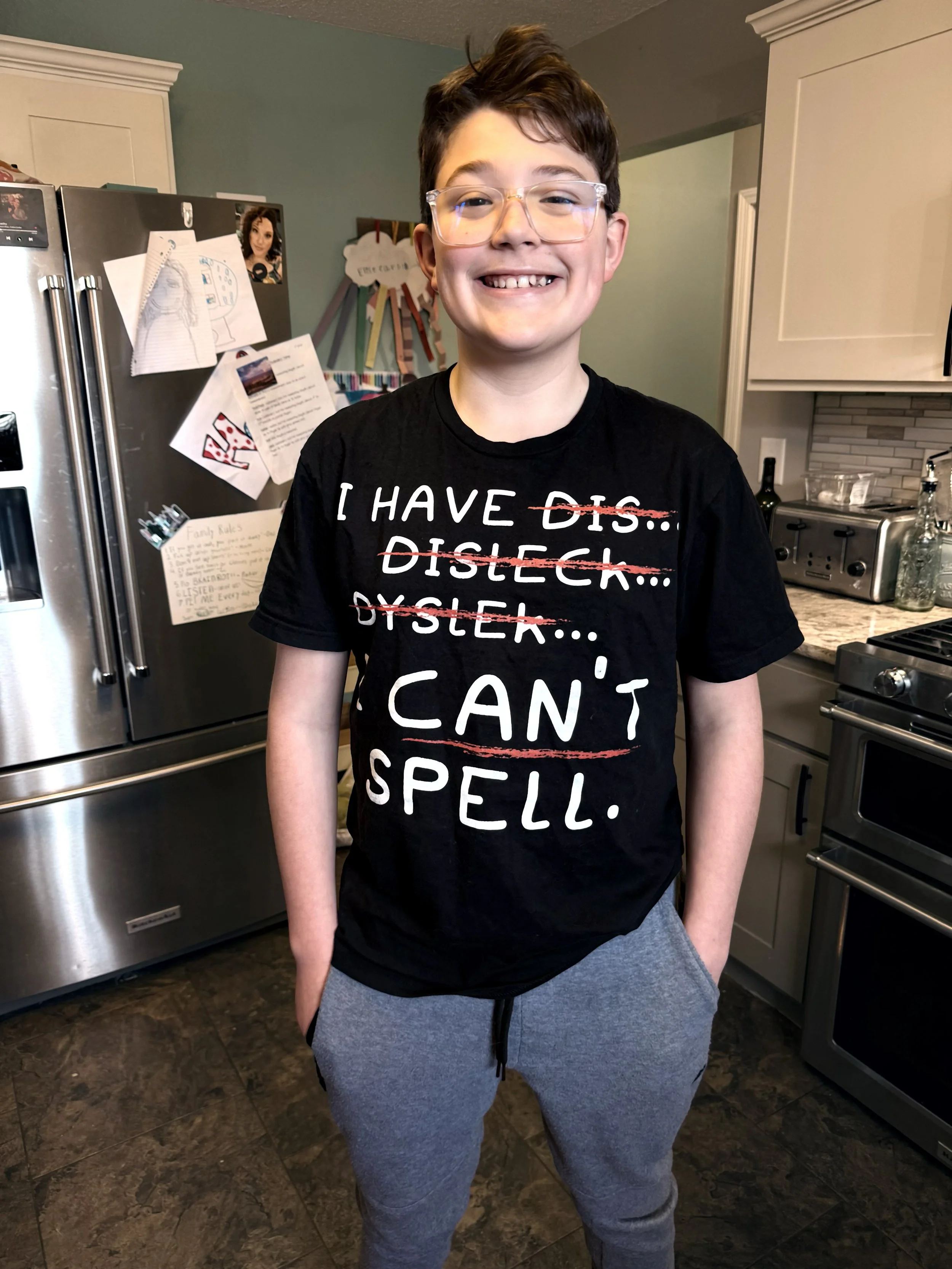
You would be surprised at how many compliments he gets on this shirt. Kid has a good sense of humor.
So this brings me to what you are reading right now and if I use AI to help me write Beyond the Brief, and the honest answer is hell yes. Every week. The ideas get dumped in, the perspective gets shaped, and what comes out the other side is something you can actually read without your eyes crossing and wonder what the hell is this guy talking about. However I will tell you with 100% honesty that the stories, the perspective, the voice, that's 100% Geoff. AI just helps me get out of my own way and share my thoughts and perspectives.
I will never lie to you and being honest is paramount in everything I do. I owe it to you the reader and because my son taught me there's nothing to be ashamed of in using the tools that work for you.
So, where are we using AI and how do I see it shaping the future of how we work and how it benefits our clients.
We use AI on the production side in ways that are genuinely changing how we serve clients. Research, business development, brainstorming how brands can get the most out of the content we're creating together. There's more pressure than ever on production companies to not just deliver content but to guide brands on how to use it. AI has become a real partner in that work. AI also has its place in our productions as well. After spending hours talking with David and Mike during our pre-production for the APDA story, I had a mess of notes and ideas of how the story would go. AI was the tool needed to organize my mind and put the pieces together. AI didn’t tell David’s story, but it sure helped me come to the interview organized and prepared.
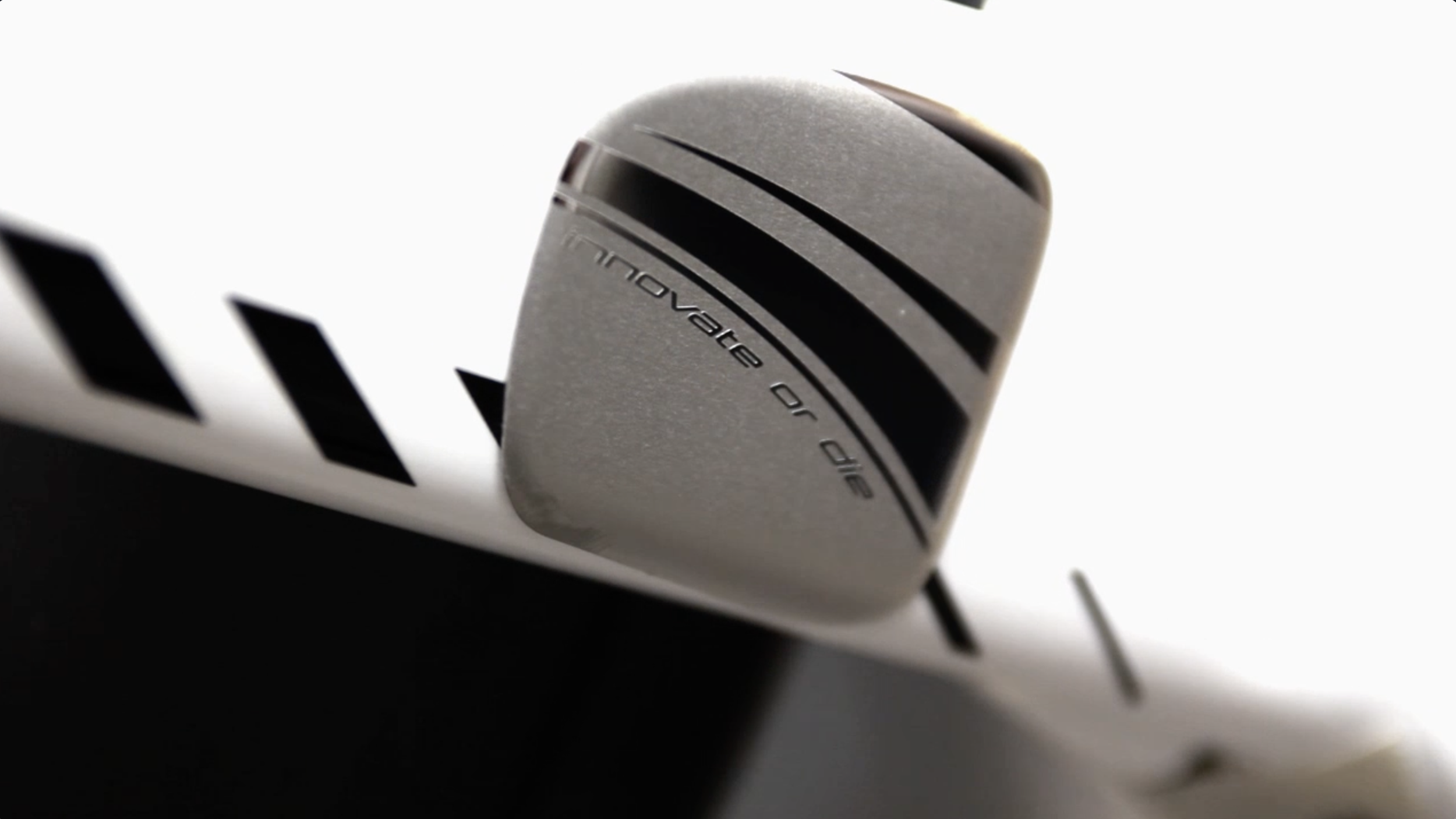
Innovate or die. I saw that on a Specialized Bicycle years ago and it never left me.
A lot of photographers fought digital years ago, and we all know how that played out for the most part. This is just another chapter of that same story. The industry is always changing and the ones who figure out how to use the new tools are the ones still doing the work they love when the dust settles, if it ever does really settle.
I’m not going to fight it but rather figure out how to use it to tell better stories and serve our clients better.
That's the only play that makes sense.