#7 Beyond the Brief: What We Mean by Story-Driven
Everyone in this industry says they’re story-driven.
It’s right there in the bio. The website. The pitch deck. Story-driven this, story-driven that. And honestly I get it, hell it’s on my website as well. Because the story behind a brand is almost always more powerful than what the brand produces.
But here’s where most people miss it.
Story-driven isn’t a style. It’s not a mood board. It’s not a treatment full of cinematic references and golden hour lighting. It’s a decision to show up and honor what’s actually true about a brand, even when that truth is uncomfortable, unglamorous, or completely different from what the brief originally called for.
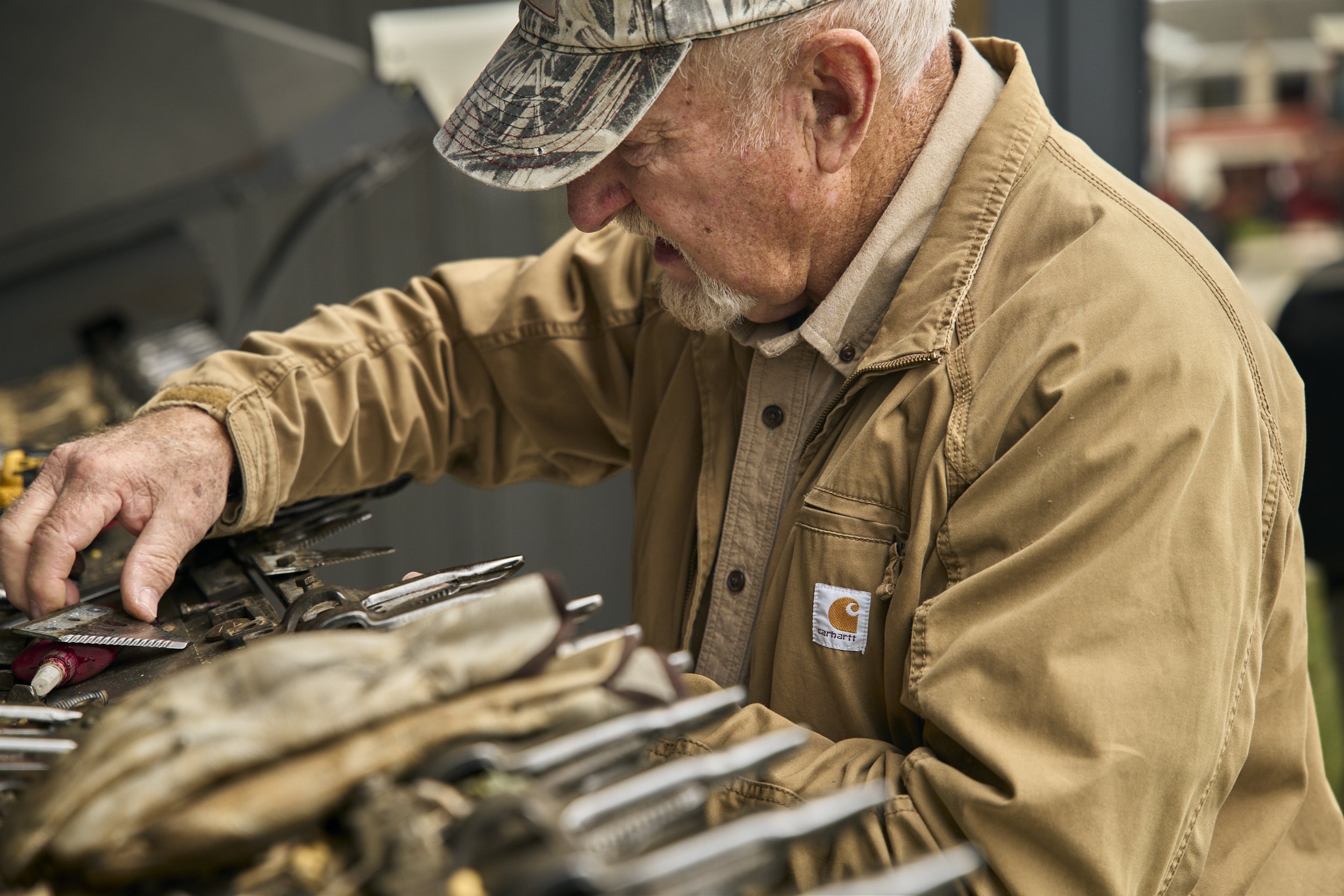
Take a brand like Carhartt. Well over 130 years of outfitting the American workforce and genuinely a great product. But so are a lot of other brands and some might even outperform them in specific categories. What nobody can take from Carhartt is generational legacy. A grandfather’s jacket passed down to a son passed down to a grandson, all three of them having worked in it. That’s not a product story. That’s a human story that happens to have a product in it. If you miss that distinction, you will miss the whole thing.
The best story isn’t always the one in the brief. Sometimes it’s the one that shows up uninvited.
We worked with the APDA to tell the story of a man living with Parkinson’s Disease and how their programs had been a resource for him and his husband, his primary caretaker. We went in prepared to talk about the classes, the support groups, the workout programs, all the technical things the APDA does remarkably well.
This is where we started, then we just let him talk.
What came out wasn’t a list of programs. It was something far simpler and far more powerful. Through everything, the diagnosis, the daily challenges, the uncertainty, what he kept coming back to was this:
“We need love, we need support.”
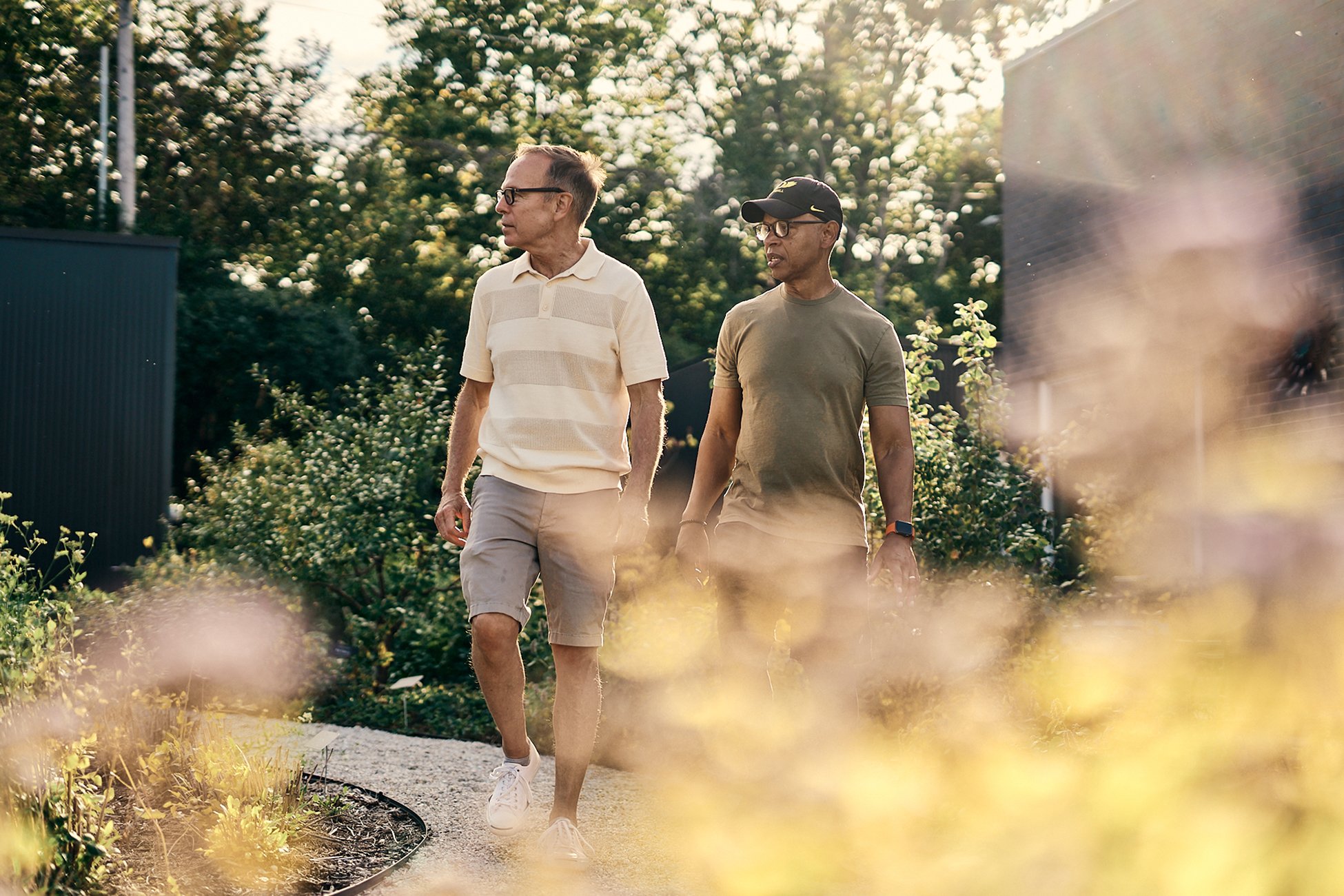
Six words. That was the whole video. Everything the APDA does, everything his husband does for him every single day, all of it rooted in that one basic human need that every single person watching could feel in their chest.
We didn’t write that line in a script. We just created the conditions for it to exist.
To me that’s what story-driven actually means.
Now here’s the challenging part. Getting a brand to go there to the real story, the uncomfortable one, the one that doesn’t feel safe takes time and most importantly, trust. Brands love comfortable, we all do. Comfortable is familiar. Comfortable has been approved by legal.
So we don’t push them there on day one. We have to be patient and earn it.
We talk about the work we’ve done. Shooting next to a wall of fire where you can feel the heat on your face and go home smelling like smoke. Sitting with someone as they break down during an interview because the emotion of their heart transplant story hits them mid-sentence. Being on location at sunset, back on location at sunrise, because the light at those two moments is the difference between a good image and an unforgettable one. We show them that at times, uncomfortable is where the best work lives.
And something interesting happens once a brand trusts you enough to go there. It unlocks something in them. They start bringing you the real stories, the ones they were protecting, the ones that felt too raw or too vulnerable or too far from the product. And every single time, those are the stories that connect.
Pushing past our comfort zones is where the true connection to a brand, and humanity, lives.
That’s what we mean by story-driven.